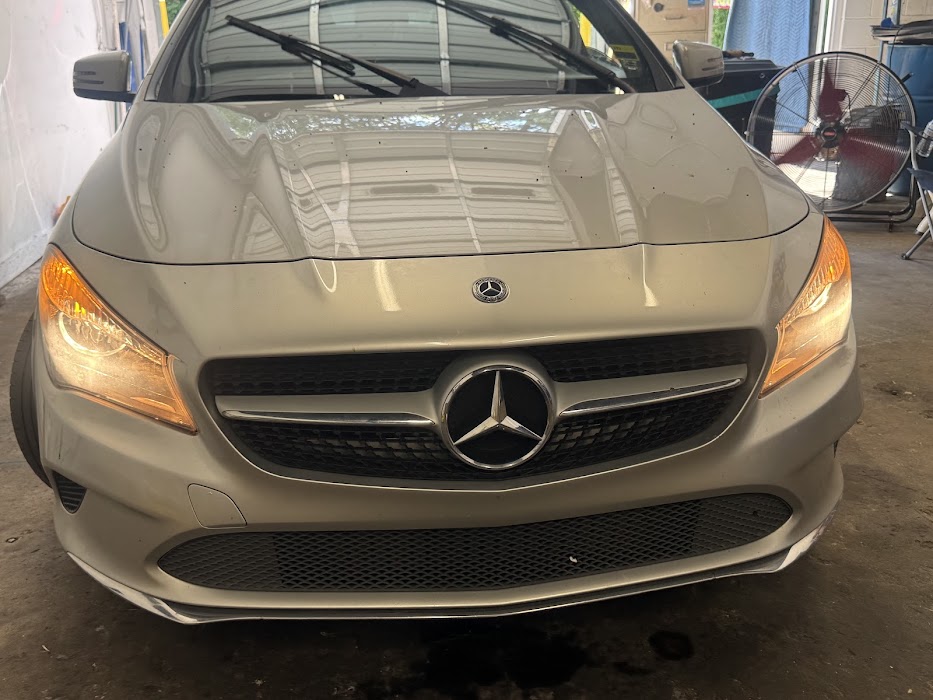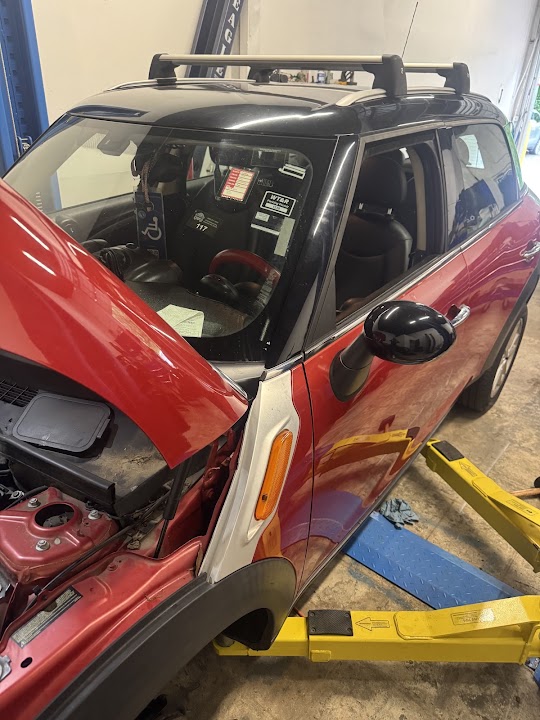
Your suspension is made up of shocks, struts, springs, and a handful of bushings and links that work together to soak up bumps and keep the tires planted on the road. Your steering system includes the rack, tie rods, and ball joints that let you turn the wheel and have the tires actually respond to what you want the car to do. Both systems take a beating from potholes, rough roads, and plain old age. Rubber bushings dry out and crack over time. Shocks and struts lose their fluid and stop damping properly, so the car bounces more than it should after a bump. Once one part wears out, it puts extra stress on the parts around it, and that is how a small issue turns into several worn parts at once.
Signs You Need Suspension or Steering Work
- Car bounces a few times after hitting a bump instead of settling right away
- Steering wheel shakes or vibrates at certain speeds
- Car pulls to one side even on a flat road
- Clunking or knocking noise over bumps or potholes
- Steering feels loose or you have to turn it more than usual
- Tires wearing unevenly on the inside or outside edge
A worn suspension or steering part rarely fails quietly. You might notice the car bouncing more than it used to after a bump, or a clunk when you go over uneven pavement. Steering that feels loose, a wheel that shimmies at speed, or a car that pulls to one side while driving straight are all signs something underneath is worn out or leaking. Tires that wear unevenly, especially on the inside or outside edge, usually point to an alignment problem or a worn steering component. None of these symptoms fix themselves, and most get worse the longer you drive on them, since the extra play lets parts move around more than they were built to.
Before we replace anything, we put the car on a lift and go over the front and rear end by hand. We check for play in the tie rods and ball joints, look for leaking shocks or struts, and check the bushings and sway bar links for cracking or looseness. We also look at how the tires are wearing, since that tells us a lot about what is going on underneath the car. We do not start swapping parts based on a guess. We want to know exactly what is loose, worn, or leaking before we quote the job, because suspension and steering parts work together and a problem in one spot can look like a problem somewhere else.
Once we know what is wrong, the job usually means removing the wheel, taking out the worn part, and putting in the new one, whether that is a strut, a control arm, a tie rod end, or a sway bar link. Struts and shocks get replaced as a unit along with their mounting hardware. Control arms come with the bushings already attached in most cases, which keeps things simpler. Ball joints and tie rod ends are smaller parts but still carry real load every time you turn the wheel or hit a bump, so they get the same careful attention as the bigger pieces during the inspection and the repair itself.
After anything in the steering system is touched, we check the alignment, since a new tie rod or rack can change where the wheels are pointed. Skipping this step after a repair can leave you with uneven tire wear or a car that still pulls to one side, even with brand new parts installed. We also torque everything to spec, since suspension and steering bolts carry real load every time you hit a bump or turn the wheel. A bolt that is too loose can work its way out over time, and one that is too tight can damage the part it is holding. We finish with a test drive to make sure the clunking, pulling, or shaking is actually gone, not just quieter.
The size of the job depends on what is worn and how much. Replacing a single sway bar link is a smaller job than replacing struts on both sides, and a steering rack replacement is a bigger job than swapping out a tie rod end. Age and mileage matter too, since rubber bushings and seals break down over years even on a car that is not driven hard. If one bushing is shot, others nearby are often close behind, worn down by the same miles and the same rough roads. We will tell you what we see on the lift and explain what can wait a while longer versus what should get handled now before it causes more wear.
If your steering feels loose or the car pulls hard to one side, try not to put off a visit. These parts affect how your car handles and how it responds when you need to brake hard or swerve to avoid something in the road. A worn tie rod or ball joint that lets go without warning turns a minor repair into a bigger safety problem. Until it is checked, drive a little slower on rough roads and pay attention to whether the symptom is getting worse, changing, or showing up at different speeds. Catching it early usually means a smaller job and less stress on the parts around it.
What to Tell Us When You Call
- Year, make, and model of your car
- What you notice, like a noise over bumps or a pull to one side
- When it started and if it is getting worse
- Whether the steering feels loose or the wheel shakes at speed