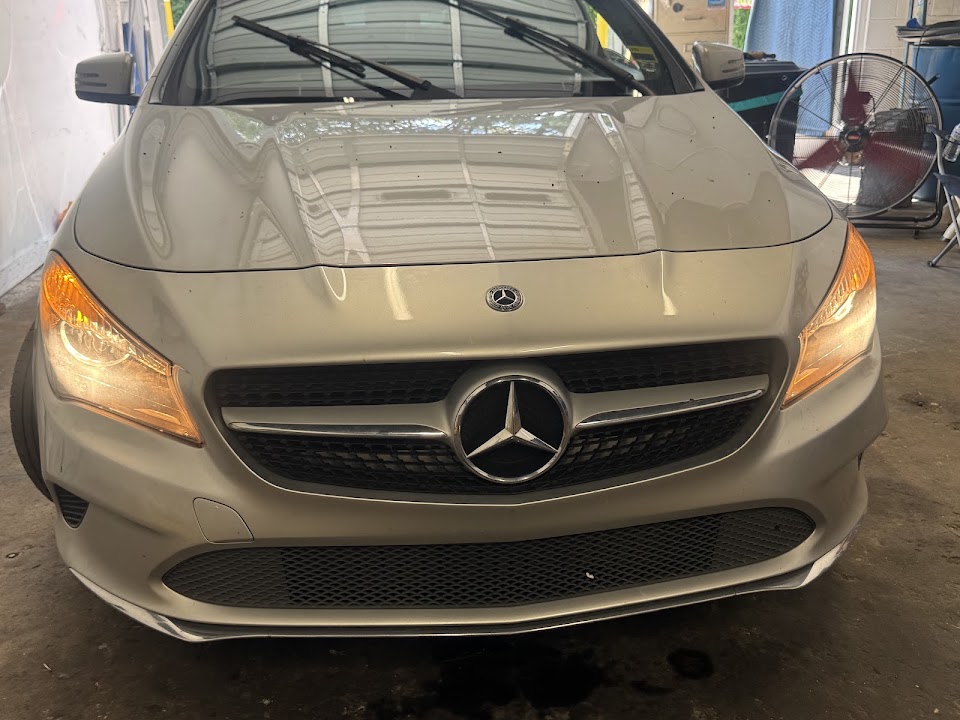
People in Stallings call us about brakes that squeal on the way to work, a dashboard light that will not turn off, or an engine that hesitates when accelerating. Some calls are about a car that overheats in traffic, others are about AC that stopped working right as summer hit. We hear a wide range, and we ask a few questions on the phone to get a sense of what might be happening before the car gets to us. A squeal can mean worn pads or just dust on the rotor. A hesitation under acceleration can point to fuel delivery, a sensor, or something electrical. None of that gets sorted over the phone, but a good description gives us a starting point instead of a blank page when your car pulls into the bay.
We handle brake service, engine diagnostics, oil changes, suspension and steering, heating and AC, and electrical work. A lot of what we see from Stallings drivers involves cars that sit outside and deal with regular temperature swings, which can affect things like the AC system and battery life over time. Heat and cold both stress rubber seals, hoses, and electrical connections, so a car parked outdoors year round tends to show wear in those spots sooner than one kept in a garage. We factor that in when a car from the area comes in with a vague complaint like sluggish starting or inconsistent cooling. Instead of guessing at one part, we look at the whole system that part lives in, since the cause is often upstream of the symptom you actually notice.
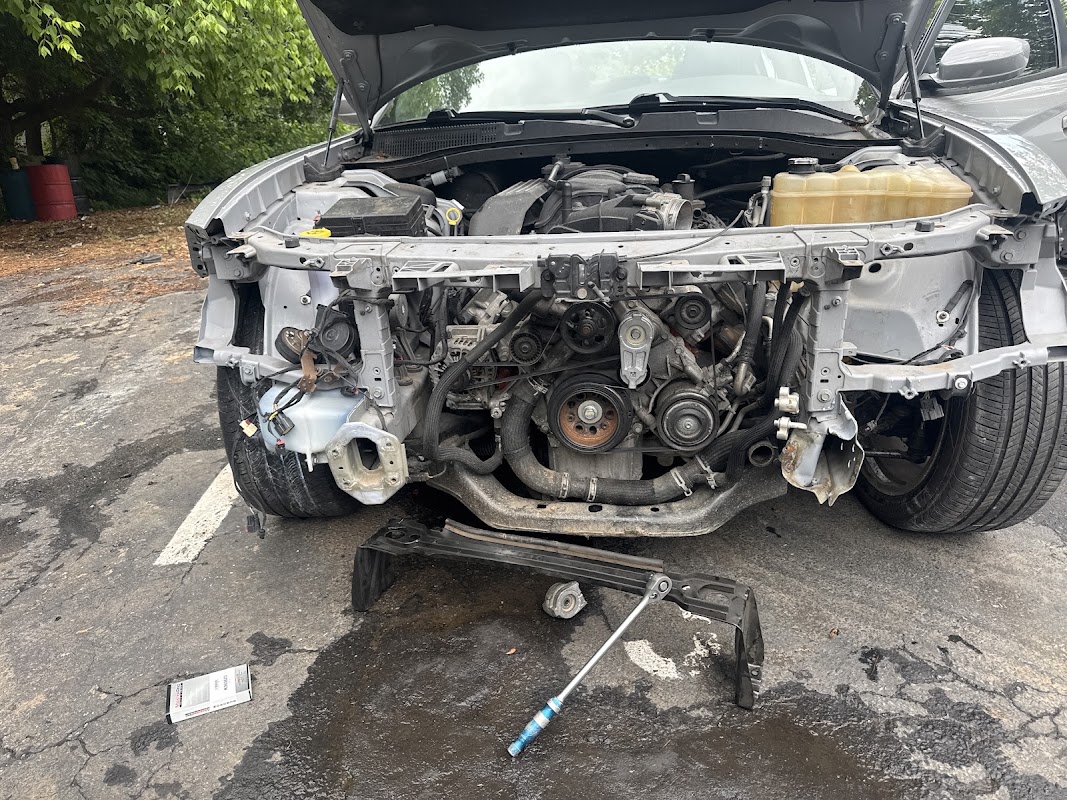
Suspension and steering problems tend to show up as a car that pulls to one side, a wheel that shimmies at speed, or clunking over bumps. These are not always obvious right away. A worn bushing or tie rod can make a car feel slightly off for weeks before it gets bad enough to notice clearly. We check these systems under real driving conditions, not just on a lift, because some noises and pulls only happen with weight and motion involved. Electrical issues are similar. A battery that is losing capacity or a connection that is corroding can cause intermittent problems that come and go, which makes them tricky to describe but still worth mentioning when you call.
Engine diagnostics cover a wide range of issues, from a check engine light to a car that runs rough at idle. Modern engines rely on sensors and a computer system to manage fuel, air, and timing, so when something is off, the car usually throws a code or a symptom you can feel. We read that code and then confirm it against what the car is actually doing, because a code points to an area, not always the exact part. Oil changes sound simple but they matter more than people think. Old oil loses its ability to protect moving parts, which can lead to faster engine wear over time, especially in stop and go driving that Stallings commuters deal with regularly.
Heating and AC problems often get worse gradually before they fail all at once. A system that blows warm air on a hot day might just be low on refrigerant, or it could be a failing compressor, a leak, or an electrical fault in the climate control itself. We trace the issue through the system logically instead of replacing parts at random. The same goes for electrical work. Dim headlights, a radio that resets itself, or a car that is slow to crank can trace back to the battery, alternator, or wiring rather than the part that seems to be failing. Catching the real source saves you from fixing the same problem twice.
We meet your car at our shop at 6401 N Tryon St in Charlotte. That is where the diagnostic tools, lifts, and parts access are, so it makes sense to bring the car there rather than try to sort things out somewhere else. Once it is in the bay, we can actually test it under real conditions instead of relying on guesswork over the phone. A car that only makes noise at highway speed or only struggles to start when it is cold needs to be driven or started cold to catch the issue in the act. Having the right setup on site means we are not working off assumptions once the car is in front of us.
When you call, give us the year, make, and model, plus a clear description of the issue. Say whether it is a new problem or something that has been getting worse, since that timeline tells us a lot about what might be going on. If there is a warning light on, tell us which one, because different lights point to different systems entirely. That kind of detail helps us plan the visit instead of starting from scratch when the car arrives. The more specific you can be about when the problem happens, whether it is cold starts, highway speeds, or after sitting overnight, the faster we can connect what you are feeling to what is actually happening under the hood.