Drivers from Harrisburg usually call about a handful of recurring problems. Brakes that squeal or feel soft under the pedal, AC that stopped cooling once the weather turned warm, or a check engine light that just will not go away no matter how many times it gets ignored. These are not random complaints. They tend to show up in patterns tied to how a car actually gets driven and how far it has to travel to get anywhere. Harrisburg sits far enough out that most trips into Charlotte mean real highway miles, and that changes what wears out first on a vehicle compared to a car that only sees short trips around town.
Those longer highway stretches put extra strain on suspension parts that a lot of drivers do not think about until something feels wrong. Clunking over bumps, a steering wheel that feels loose at higher speeds, or a car that seems to wander a little in its lane are all signs that bushings, control arms, or shocks are starting to give out. Sustained speed and constant small vibrations add up faster than people expect. A car that rides fine at 35 miles an hour around the neighborhood can feel completely different at 65 on the way into the city, and that difference is usually the suspension telling on itself.
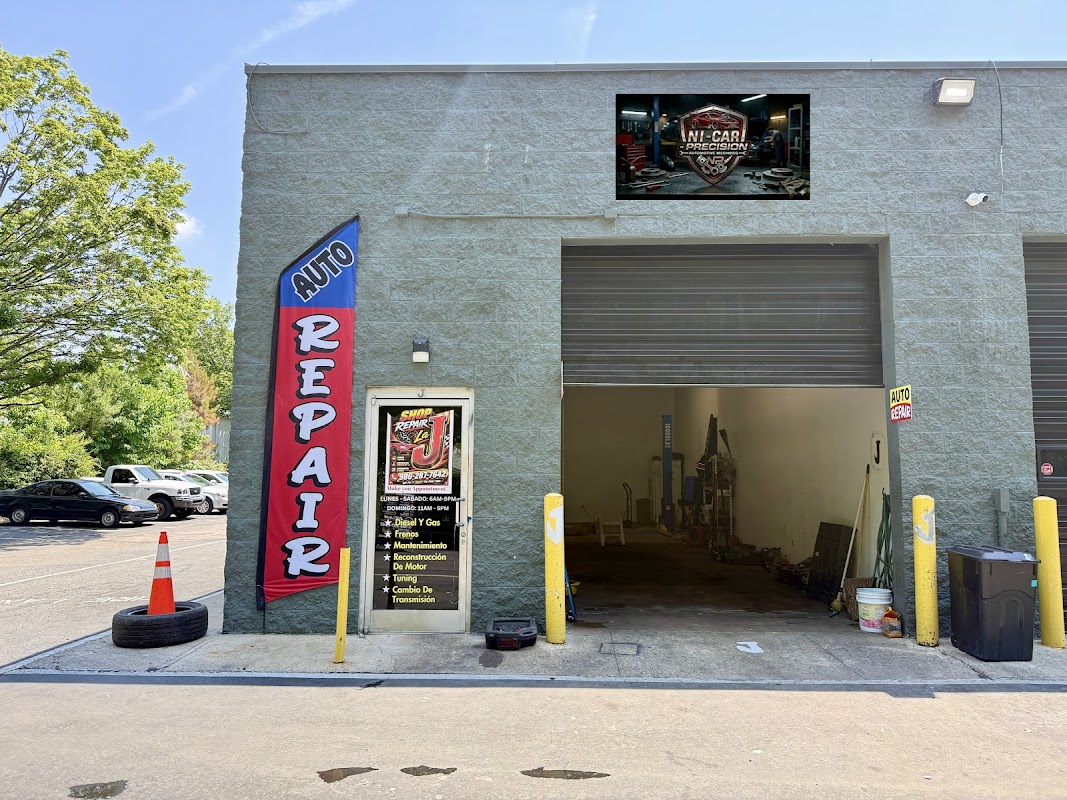
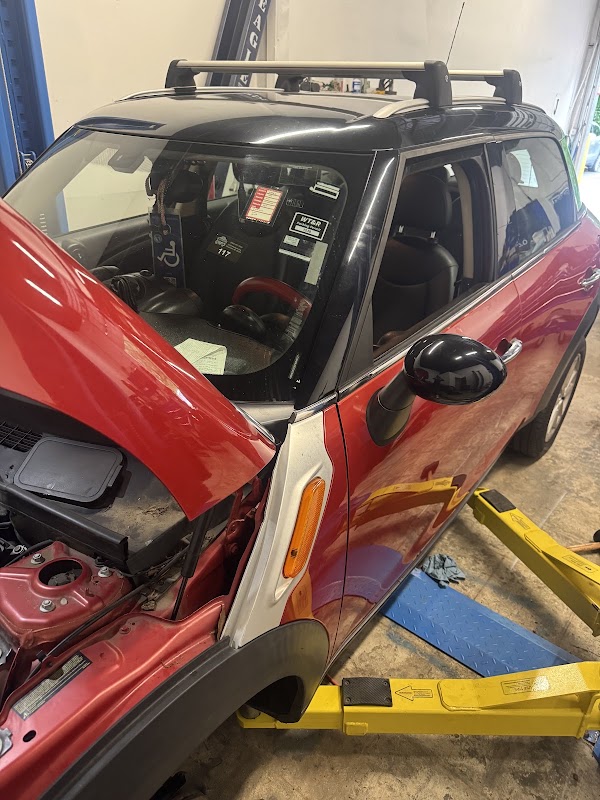
We cover brake service, engine diagnostics, and oil changes as part of the regular work that comes through the shop, along with the kind of repairs that do not show up until something starts acting up. Suspension and steering work falls into that second group, along with heating and AC, and electrical repairs. These are the systems that quietly keep a car predictable, and when one of them starts slipping, the car usually lets you know in small ways before it becomes a bigger problem. Catching those small signs early is a big part of what keeps a repair from turning into something more involved later.
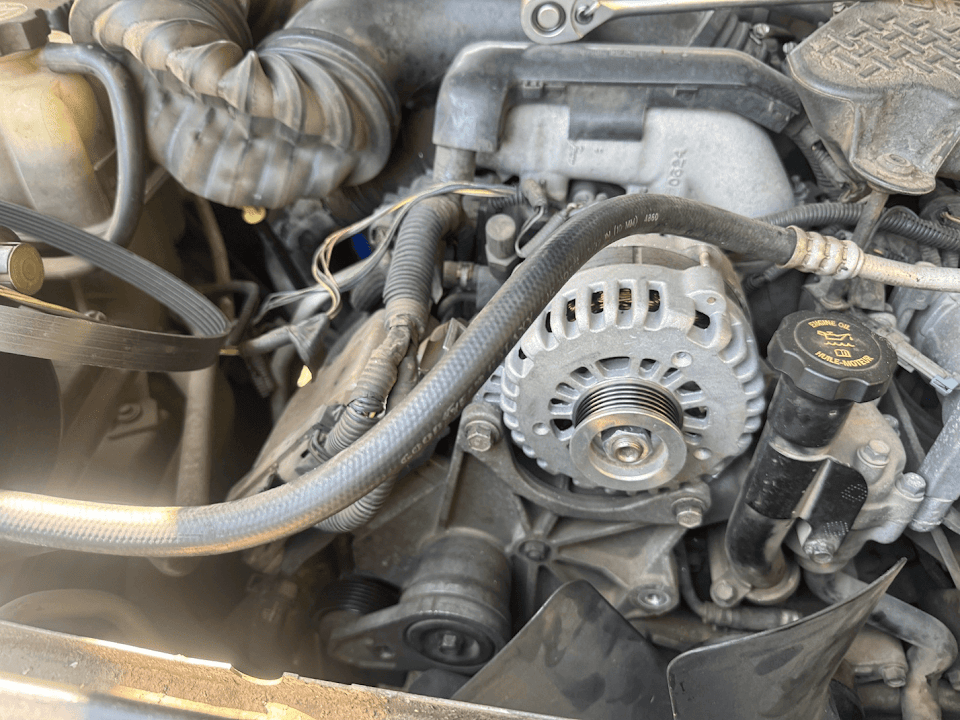
A slow leak somewhere in the engine bay, a battery that will not hold a charge overnight, or steering that feels a little off when you turn into a parking lot are all things that get checked properly before any repair starts. Electrical problems especially can be tricky, since a dying battery, a bad alternator, and a loose ground wire can all cause similar symptoms. Guessing at the cause usually means paying for parts that were never the problem. That is why the car goes up on the lift first. Diagnosing the actual issue before touching anything saves time and keeps the repair focused on what is actually wrong instead of what might be wrong.
Heating and AC systems get a lot of attention too, especially with Charlotte summers being what they are. A system that blows warm air when it should be cold usually points to a refrigerant leak, a failing compressor, or an electrical issue in the system that controls it. None of those are things you want to guess at, since AC repair often means finding a small leak that is not obvious just from looking under the hood. The same goes for heat in the winter months. If the cabin is not warming up the way it should, that usually traces back to a cooling system problem rather than anything inside the dash itself.
The work happens at our shop on N Tryon St in Charlotte, which means the drive from Harrisburg is part of the plan from the start. If the car can be driven safely, that is where it goes to get looked at and repaired. For anything that feels unsafe to drive, like brakes that are grinding or a steering wheel that pulls hard to one side, it is worth being cautious about that drive in the first place. A car that is already showing serious symptoms on familiar roads can get a lot worse on the highway, so it helps to trust your gut if something feels seriously wrong before heading out.
When you call ahead, give us the basics so we know what we are walking into. What the car is doing, how long it has been doing it, and anything you noticed right before the problem started. Did it happen after a cold morning, after driving through standing water, or out of nowhere on a normal trip. Small details like that make a real difference once the car is in front of us, since they narrow down where to start looking. A little bit of information up front means less guesswork once the diagnostic process actually begins at the shop.