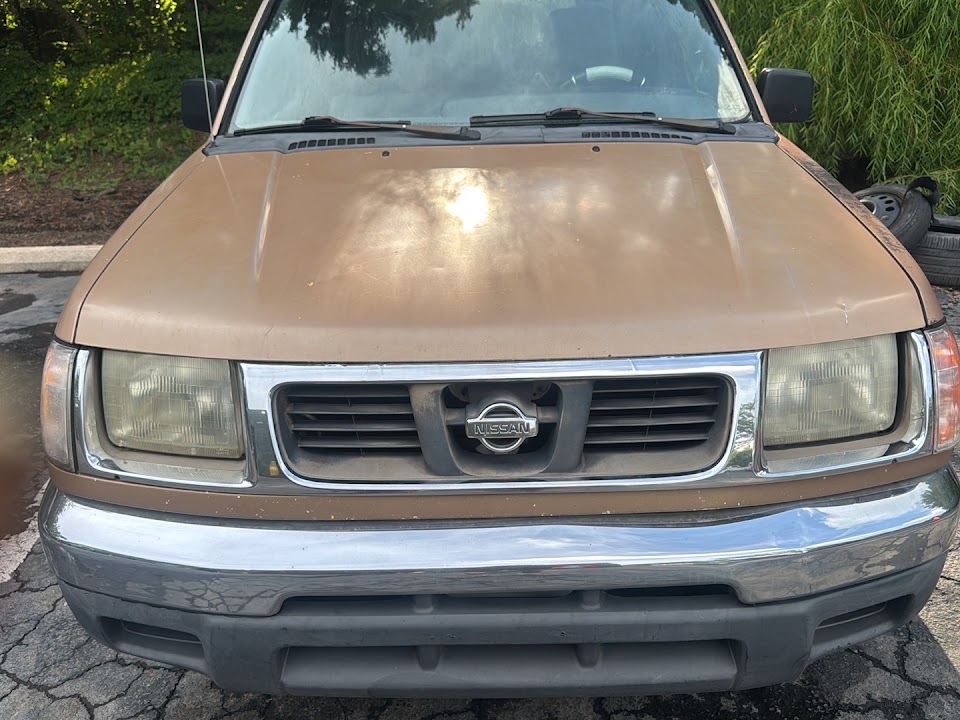
Most calls from Charlotte drivers start the same way. Something is grinding when they brake, the AC quit blowing cold, or a warning light popped on during the commute. We also hear a lot about rough idling and electrical gremlins, things like power windows that stick or a dash light that will not turn off. None of that is random. Charlotte traffic is part of the reason. Stop and go traffic on the main roads through town means a lot of braking, a lot of idling, and a lot of heat soak under the hood. That wears down brakes and suspension parts faster than people expect, and it stresses electrical connections too. A car that sits in traffic every day works harder than one that cruises the highway, even if the odometer says otherwise. That is why these repairs show up here so often.
We handle brake service, engine diagnostics, oil changes, suspension and steering work, heating and AC, and electrical repairs. If your car is pulling to one side, that is usually a suspension or alignment issue, sometimes a tire problem wearing unevenly. Noise over bumps often points to worn bushings, struts, or ball joints, parts that take a beating on rough pavement and potholes. A car that is not starting right could be a battery, a starter, or something further into the electrical system. Whatever the symptom, it falls under what we do. We run diagnostics first so you know what is actually wrong before any work starts. That means no guessing games and no replacing parts that were never the problem. You get a clear picture of the car before deciding what happens next.
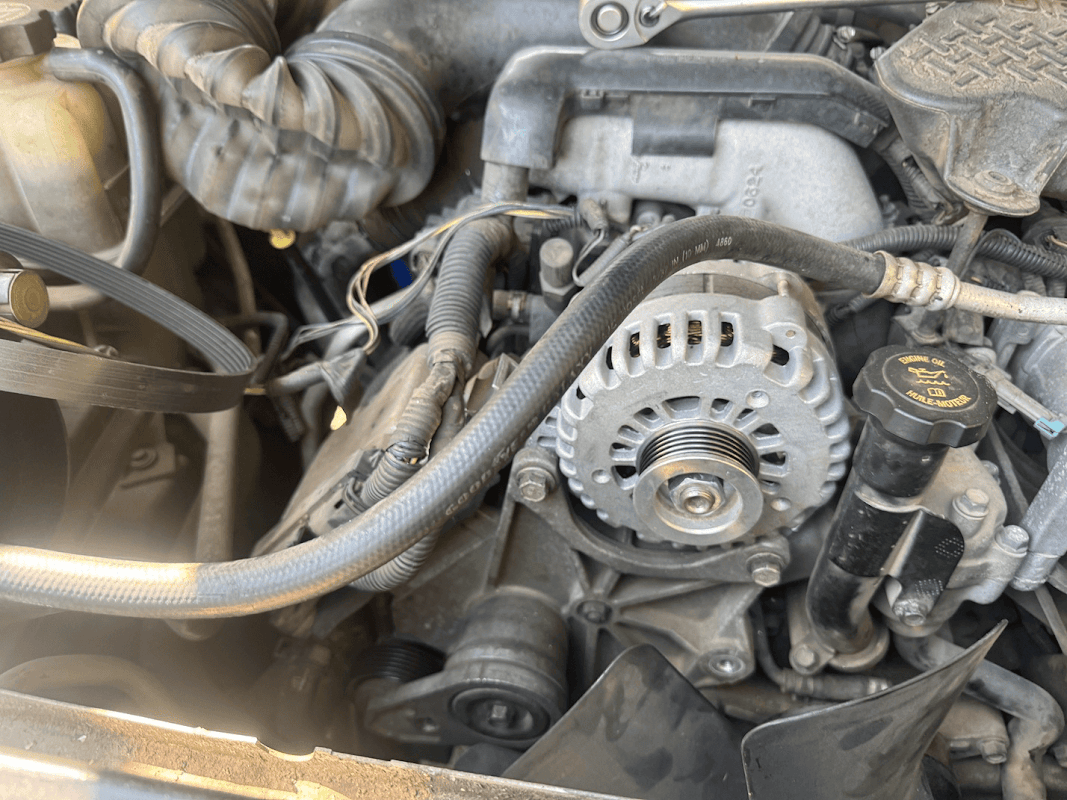
Regular maintenance matters just as much as fixing what is already broken. Oil changes keep the engine lubricated and prevent the kind of wear that turns into expensive repairs down the road. Brake pads and rotors wear down gradually, and catching that early is a lot easier than waiting for metal grinding on metal. Suspension components loosen over time, especially with daily stop and go driving. Heating and AC systems rely on seals and refrigerant levels that can drop without an obvious leak. Electrical systems in modern cars are more complex than people realize, with sensors and modules controlling things that used to be simple mechanical parts. When one of those fails, a dash light usually comes on to tell you. Staying ahead of these issues with routine checks saves time and trouble later.
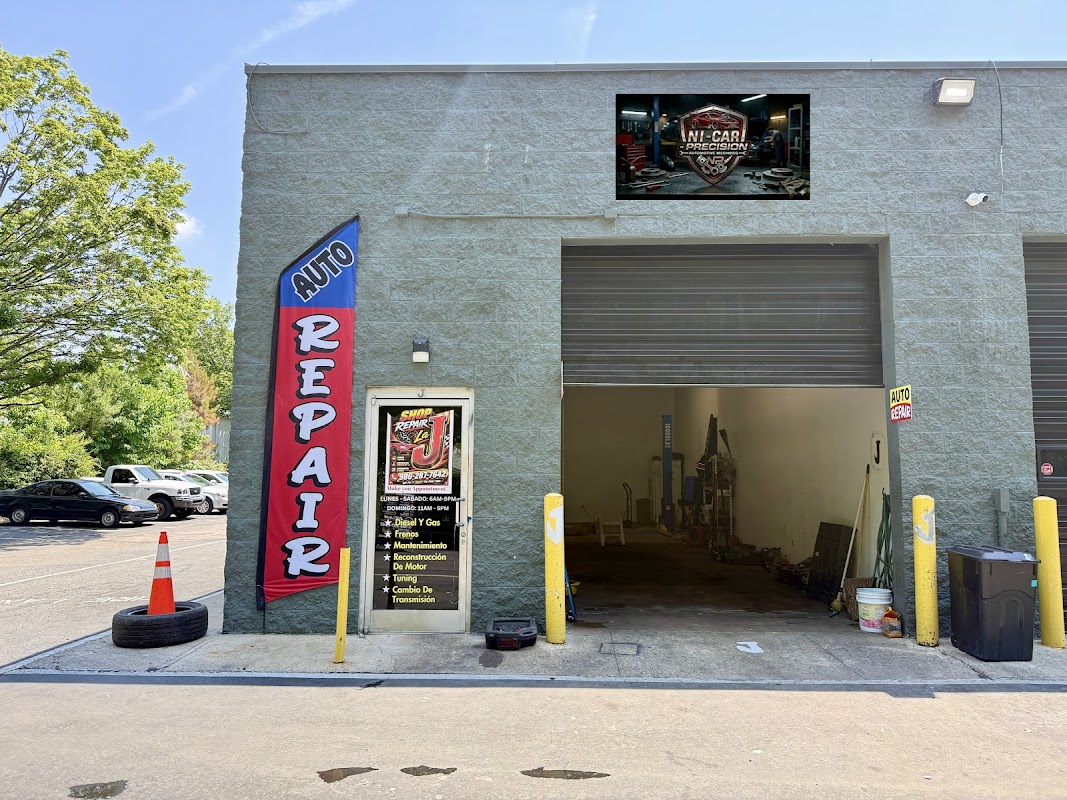
Cars come to us at the shop at 6401 N Tryon St Ste J. That is where we meet the vehicle, get it on the lift, and go through it piece by piece. Being up on the lift matters because a lot of what causes noise, pulling, or vibration is underneath the car where you cannot see it from the driver's seat. We check the brakes, suspension, steering components, and look for anything leaking or loose. If you are nearby and can drive it in, that is the easiest way to get started. Charlotte drivers from around the shop tend to find this the most straightforward option, since it lets us see the car in person right away instead of trying to diagnose something over the phone.
When you call, tell us the symptom in plain words. Say what the car is doing, when it started, and any noise or warning light you noticed. Was it a grinding sound only when braking, or all the time? Did the AC stop cold suddenly or get weaker over a few weeks? Did a warning light come on by itself or after something specific happened, like driving through water or a rough patch of road? These details matter more than people think. A clear description gives us a head start before you even pull in, narrowing down what to check first once the car is on the lift. It also helps us figure out if the issue is something simple or if it points to a bigger problem underneath.
Drivers from Harrisburg, Mint Hill, Huntersville, Concord, Matthews, Stallings, and Midland also bring their cars here, not just folks in Charlotte proper. A shop near N Tryon St is a reasonable drive for a lot of these towns, especially if the issue is not something you want to put off. Suspension noise, electrical problems, and brake wear do not fix themselves, and waiting usually means a bigger repair bill later. Whether you are coming from a neighborhood a few minutes away or driving in from one of the surrounding towns, the same process applies. We get the car on the lift, run the diagnostics, and figure out exactly what is going on before touching anything.
The hours here spread across most of the week, including evenings on several days and a shorter window on Sunday. That gives Charlotte drivers some flexibility if a weekday morning does not work with a job or school schedule. A car with a dash light on or a noise that showed up overnight does not always wait for a convenient moment, so having options throughout the week helps. Whether it is a quick oil change or something more involved like diagnosing an intermittent electrical issue, the approach stays the same. We look at the actual car, we talk through what you noticed, and we explain what we find. That is the simplest way to get a car from something is wrong to knowing exactly what needs fixing.